


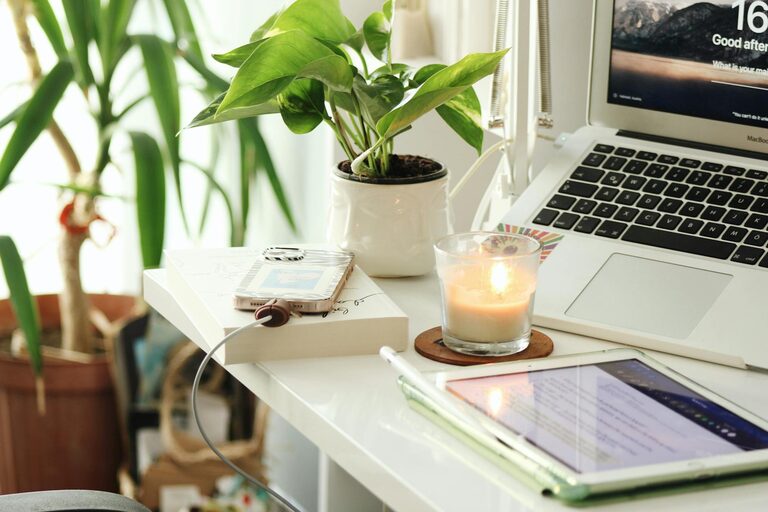
Creating a home office that is both cozy and productive can make a big difference in how you work and feel throughout the day. Whether you’re working remotely full-time or need a dedicated space for occasional projects, a well-designed office can boost your comfort and efficiency. Here are some practical tips to help you set up a workspace that you’ll enjoy spending time in.
Choose the Right Location
Start by selecting a spot in your home that suits your work style. Ideally, this area should be quiet, have good natural light, and be free from too many distractions.
– Quiet corners: Rooms or corners away from high-traffic areas reduce noise and interruptions.
– Natural lighting: Position your desk near a window to take advantage of daylight, which can improve mood and productivity.
– Available space: If space is limited, consider creative solutions like wall-mounted desks or multifunctional furniture.
Invest in Ergonomic Furniture
Comfort is key when working for long hours. Ergonomic furniture supports good posture and can prevent discomfort or injury.
– Ergonomic chair: Choose a chair with adjustable height, lumbar support, and comfortable cushioning.
– Desk height: Your desk should be at a height where your elbows can rest comfortably at a 90-degree angle.
– Footrest and monitor placement: Use a footrest if needed and position your monitor at eye level to avoid strain.
Organize Your Workspace
A clutter-free workspace helps keep your mind clear and focused. Keeping necessary items within reach but out of the way is ideal.
– Storage solutions: Use drawers, shelves, or containers to store supplies neatly.
– Desk organization: Limit the number of items on your desk to essentials like your computer, notebook, and a few personal touches.
– Cable management: Use clips, sleeves, or ties to keep cords tidy and prevent tangling.
Add Personal and Cozy Touches
Making your home office feel warm and inviting encourages you to spend time there and can improve creativity.
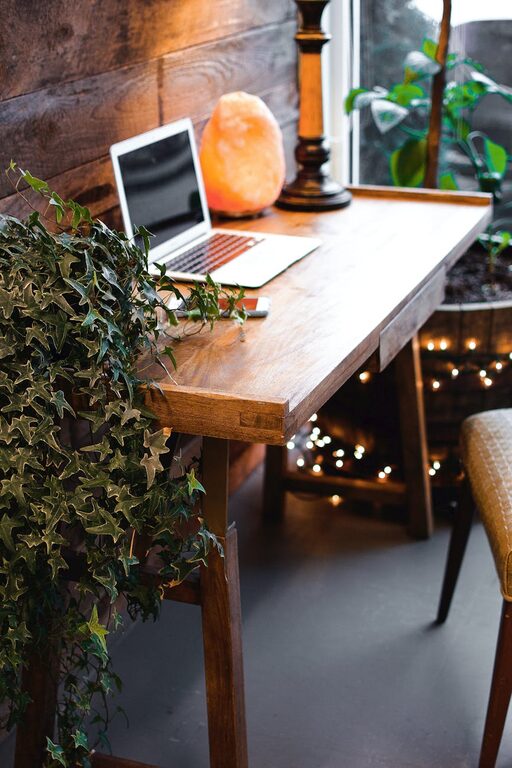
– Plants: Adding greenery can reduce stress and clean the air.
– Soft lighting: Use lamps or fairy lights for softer, adjustable lighting instead of relying solely on overhead fixtures.
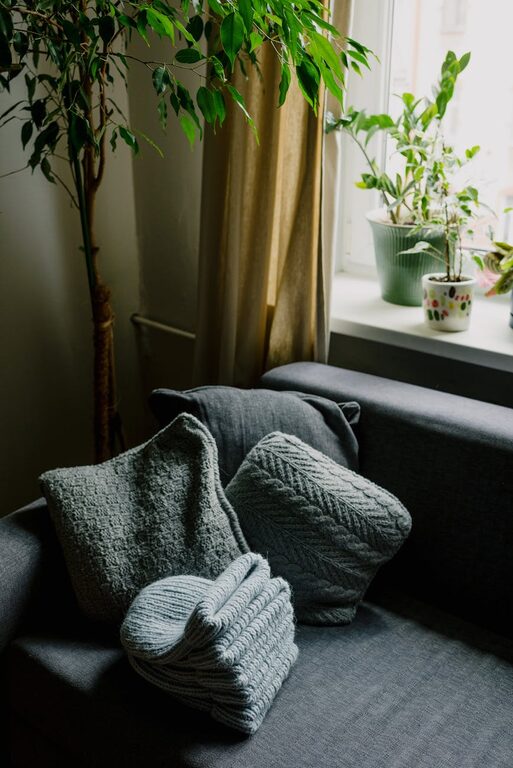
– Textiles: Consider a small rug or comfortable cushions to add warmth and texture.
– Artwork and decor: Include inspiring pictures or objects that make you happy and motivated.
Create Zones for Different Tasks
If your space allows, separate areas for different types of work can help you switch gears and stay organized.
– Work zone: Your primary desk area, designed for focus tasks like writing or computer work.
– Meeting/video call space: A spot where you can conduct video calls with a professional background.
– Relaxation corner: A comfortable chair or small sofa for reading or brainstorming.
Control Noise and Distractions
Minimizing noise and visual distractions helps you concentrate better.
– Noise reduction: Consider soundproofing options like rugs, curtains, or wall panels.
– Headphones: Use noise-canceling headphones or ambient music to block distractions.
– Limit interruptions: Set clear boundaries with housemates or family members during work hours.
Use Technology to Your Advantage
Technology can streamline your work and keep your space organized.
– Wireless devices: A wireless keyboard, mouse, or printer reduce clutter.
– Multiple monitors: Extra screens increase productivity, especially for multitasking.
– Smart assistants: Devices like voice assistants can help manage your schedule and reminders hands-free.
Maintain Regular Tidying Habits
Keeping your home office clean helps sustain a productive environment.
– Daily clean-up: Spend a few minutes at the end of each day putting items back in place.
– Weekly deep clean: Dust surfaces, clean your keyboard, and clear digital clutter.
– Review setup: Periodically assess your space and make adjustments to improve comfort or efficiency.
Incorporate Natural Elements and Fresh Air
A connection to nature can enhance your well-being during work hours.
– Ventilation: Open windows when possible to let in fresh air.
– Natural materials: Furniture or decor made from wood, stone, or bamboo create a calming atmosphere.
– Outdoor views: Position your desk so you can enjoy any outdoor scenery.
Set Boundaries and Define Work Hours
To maintain balance, especially when working from home, it’s important to separate work and personal life.
– Dedicated workspace: Avoid working from your bed or couch, which can blur boundaries.
– Clear schedule: Set start and end times for your workday and respect them.
– Breaks and movement: Take regular breaks to stretch, move around, and rest your eyes.
—
By applying these tips, you can create a home office that is welcoming, functional, and supportive of your work goals. Remember that your workspace is personal, so feel free to tailor these ideas to your preferences and needs. A cozy and productive home office can greatly enhance your daily work experience.