


Creating a relaxing home workspace is essential for staying productive, especially when working remotely or juggling multiple responsibilities. A comfortable and well-organized environment can help reduce stress, improve focus, and make your workday more enjoyable. In this post, we’ll explore practical tips to help you design a home workspace that promotes relaxation and boosts productivity.
Why a Relaxing Workspace Matters
Your workspace impacts how you feel and perform throughout the day. When your environment feels chaotic or uncomfortable, it’s easy to get distracted or overwhelmed. On the other hand, a calming and thoughtfully arranged space can encourage clarity, creativity, and sustained concentration. Investing time in creating a relaxing workspace benefits your mental well-being and work efficiency.
Choose the Right Location
Find a Dedicated Spot
Ideally, select a specific area dedicated solely to work. This helps set boundaries between your professional and personal life. Whether it’s a spare room, a corner in your living room, or a section of your bedroom, consistency in your work location signals your brain to switch into “work mode.”
Consider Natural Light
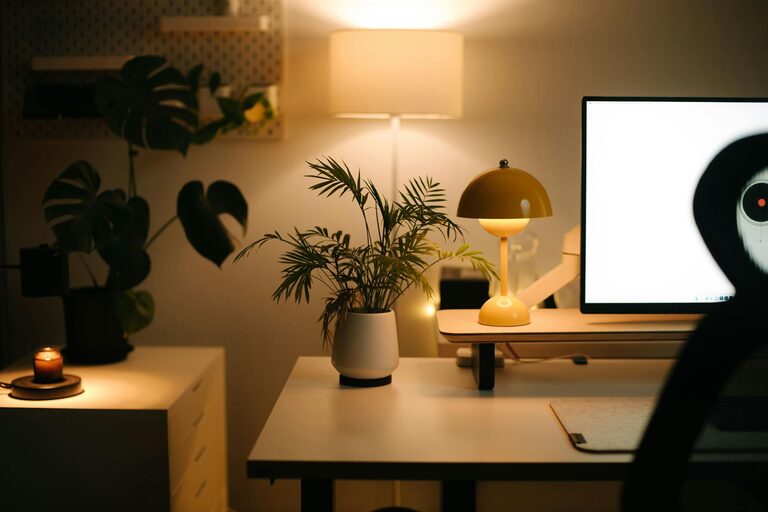
Natural light has a positive effect on mood and alertness. Position your desk near a window if possible, but avoid glare on your computer screen. If you have limited access to daylight, use soft, warm lighting to mimic a natural glow.
Invest in Comfortable Furniture
Ergonomic Chair and Desk
Comfort is key for long hours at your desk. Choose an ergonomic chair that supports your back and encourages good posture. Your desk should be at a height where your arms are at a 90-degree angle when typing. This combination prevents discomfort and fatigue.
Additional Comfort Items
Consider adding a footrest, wrist supports, or a seat cushion for extra comfort. A standing desk or adjustable sit-stand station can also provide flexibility and reduce the strain of sitting for too long.
Keep Your Workspace Organized
Declutter Regularly
A cluttered desk can clutter your mind. Keep only essential items within reach and store the rest neatly. Use drawer organizers, shelves, or filing systems to manage paperwork and supplies.
Use Storage Solutions
Bins, baskets, or trays help keep small items like pens, cables, and sticky notes organized. Labeling storage containers allows you to quickly find what you need without distraction.
Personalize Your Space Calmly
Add Soothing Elements
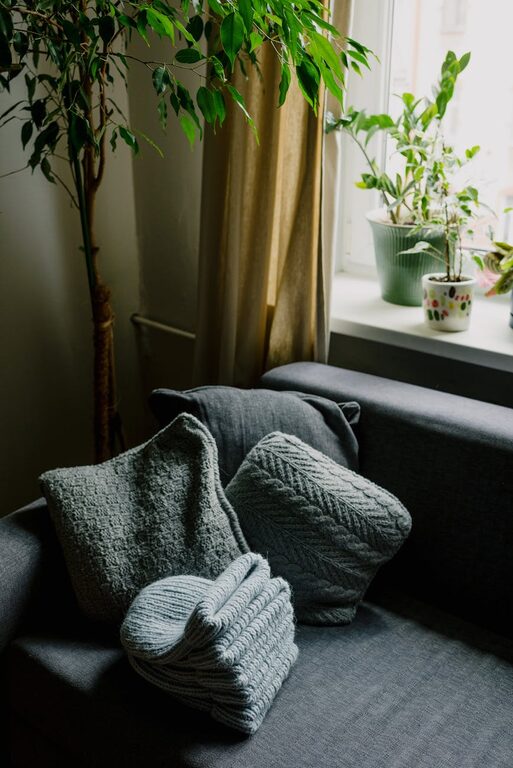
Incorporate elements that promote relaxation, such as plants, soft textiles, or artwork that you enjoy. Plants not only brighten your space but also improve air quality.
Use Calming Colors
Colors influence mood and productivity. Soft blues, greens, or neutrals create a tranquil atmosphere, while vibrant colors can be energizing. Choose colors that make you feel comfortable and focused.
Minimize Noise and Distractions
Sound Management
If noise is an issue, consider noise-canceling headphones or a white noise machine. Soft instrumental music or nature sounds can also provide a soothing background without interrupting concentration.
Limit Digital Interruptions
Turn off non-essential notifications and set specific times to check email and social media. Using apps or browser extensions that block distracting websites helps maintain focus.
Incorporate Breaks and Movement
Schedule Regular Breaks
Taking short breaks throughout the day prevents burnout and helps maintain productivity. Use reminders to stand, stretch, or walk around every hour.
Create a Relaxation Corner
If space allows, set up a small area nearby for quick mental resets. A comfortable chair or cushion with a favorite book or some meditation tools can provide a calm retreat between work sessions.
Optimize Technology Setup
Arrange Equipment Ergonomically
Place your monitor at eye level and keep your keyboard and mouse easily accessible. This prevents strain and supports good posture.
Use Quality Tools
Reliable hardware and fast internet reduce frustration and improve workflow. Consider investing in a good-quality headset or webcam to enhance virtual meetings comfort.
Final Thoughts
Designing a relaxing home workspace doesn’t require a complete overhaul. Small changes such as improving lighting, organizing your desk, and introducing calming decor can significantly impact your mood and productivity. Take time to tailor your environment to your preferences and needs, and watch how a peaceful workspace transforms your work experience.
By following these tips, you can create a space that not only supports your professional goals but also nurtures your well-being throughout the day.